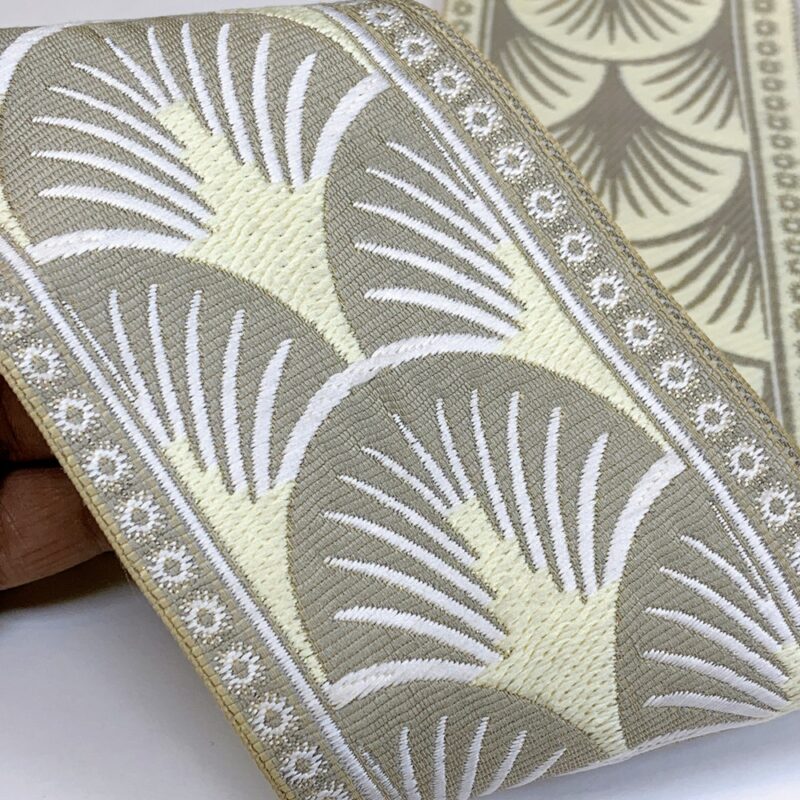
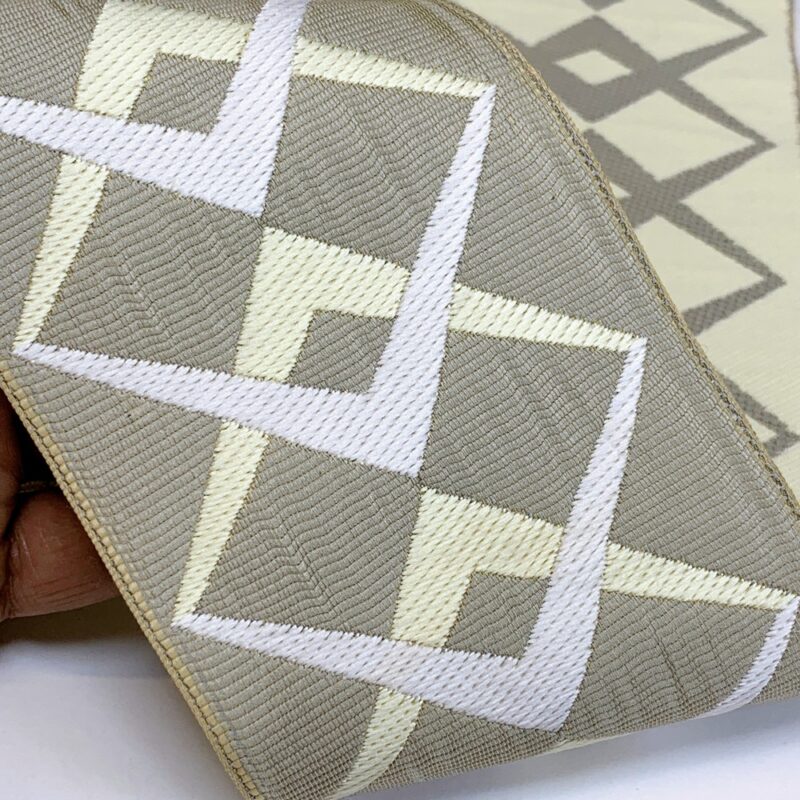
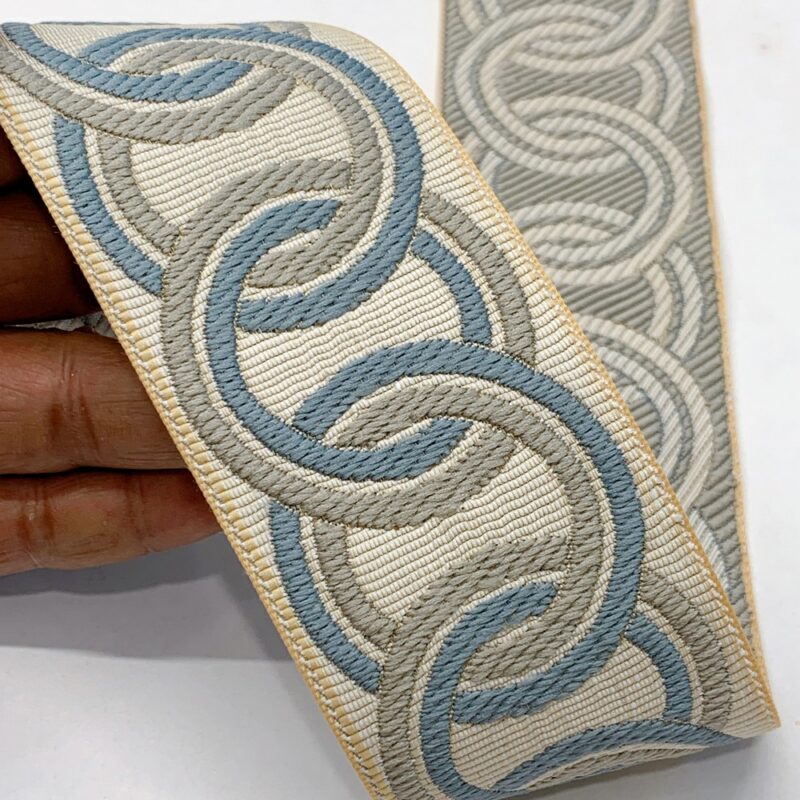
New Launch

Why Trimmings Are Becoming Essential in Modern Home Décor

In today’s home décor landscape, it’s no longer just about fabrics, colors, or furniture.

Designers and brands are increasingly focusing on the smaller elements that bring a space together—and one category that’s quietly becoming essential is trimmings.

From cushions and curtains to upholstery and accessories, trims are no longer an afterthought. They are a key part of how modern interiors are designed, styled, and differentiated.

The Shift Toward Detail-Driven Design
 
For years, home décor followed a more minimal approach—clean lines, flat surfaces, and limited embellishment.
 
But that’s changing.
 
Consumers today are looking for spaces that feel:
•Layered
•Textured
•Thoughtfully designed
 
This shift has created a demand for elements that add depth without overwhelming the space. Trimmings fit perfectly into this role.
 
They allow designers to enhance products without redesigning them entirely.
 
What Are Home Décor Trimmings?
 
Home décor trimmings include decorative elements such as:
•Tassels and fringes
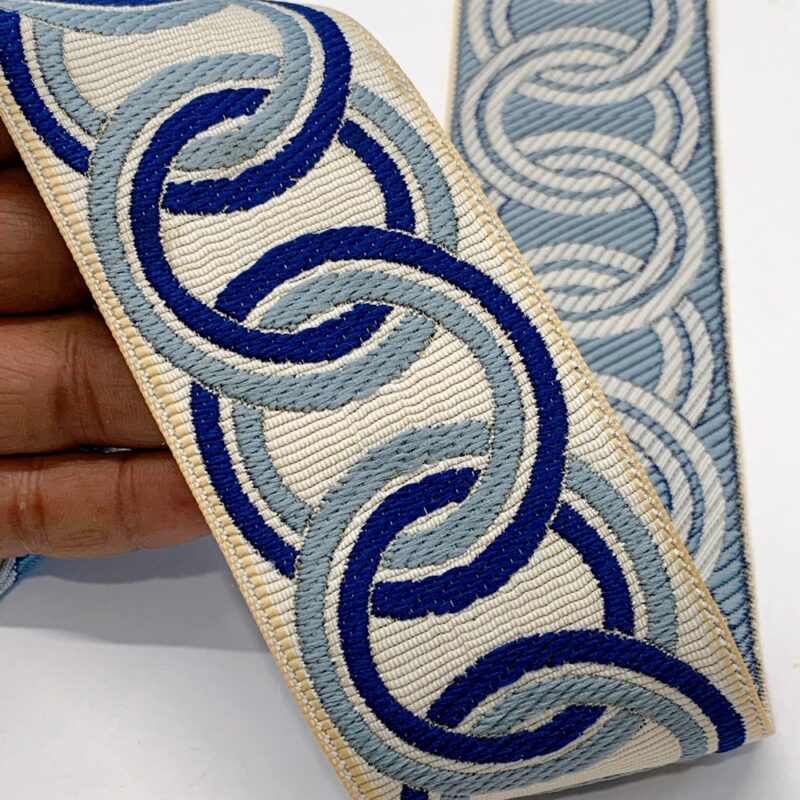
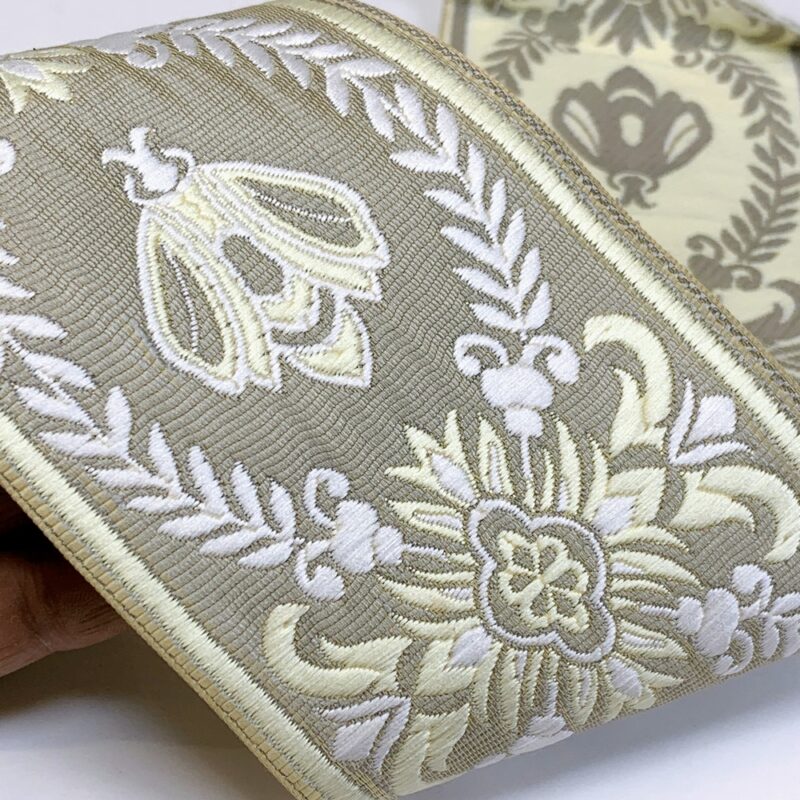
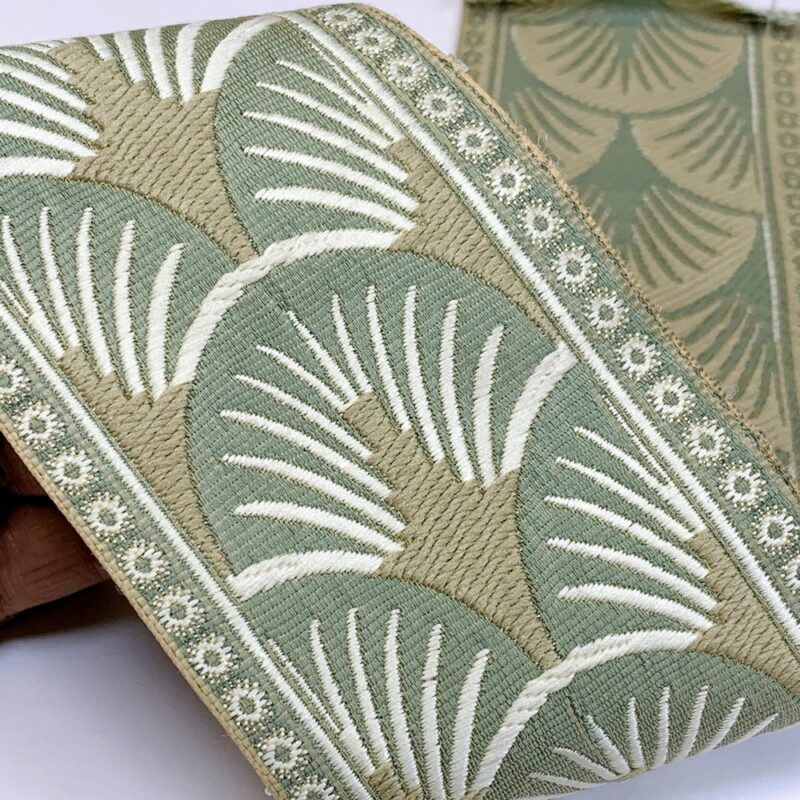
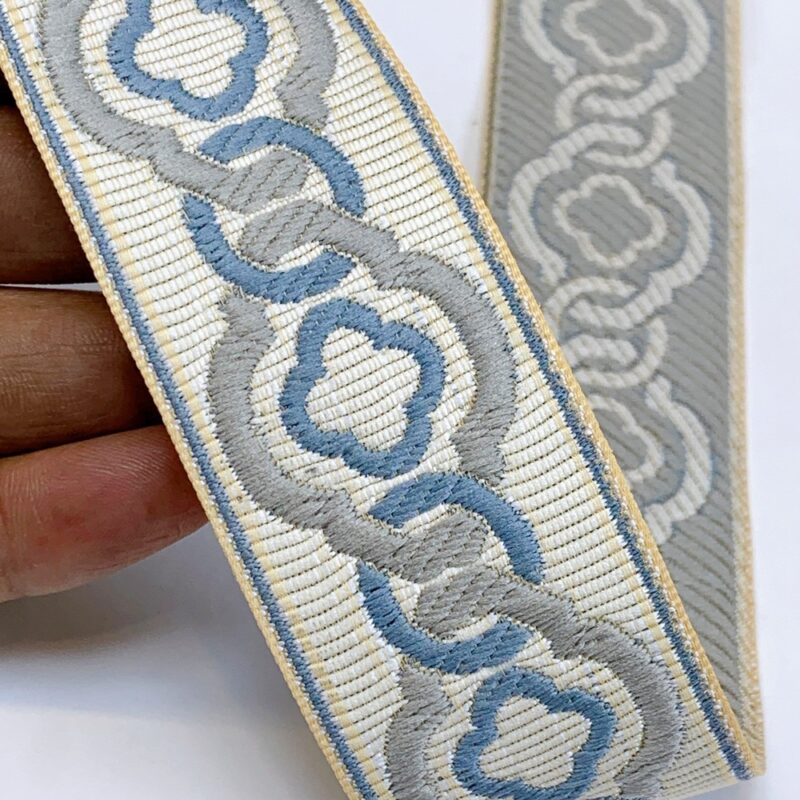
•Jacquard tapes and woven borders
•Gota and metallic trims
•Laces and cords
 
These are applied to products like cushions, curtains, throws, and upholstered furniture to enhance their appearance and finish.
 
While small in size, they play a significant role in defining the final look of a product.

Why Trimmings Matter More Than Ever

1. They Add Texture Without Complexity

Modern interiors are moving away from flat, uniform surfaces.

Trimmings introduce texture in a subtle, controlled way—making products feel richer without adding bulk or heaviness.

2. They Create Visual Contrast

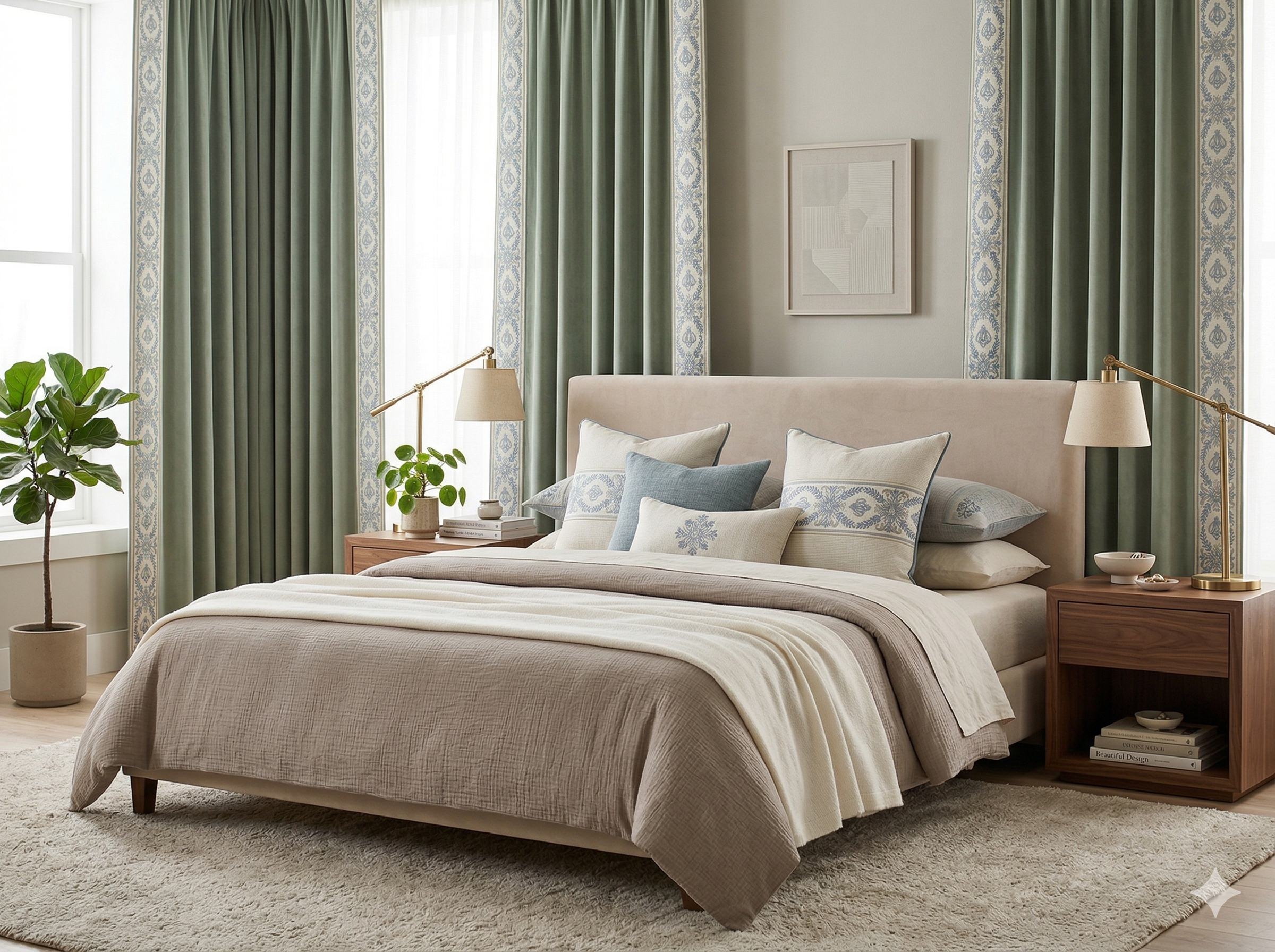
A plain cushion or curtain can be transformed with the right trim.

Whether it’s a woven border, a fringe edge, or a metallic accent, trims help break monotony and create contrast that draws attention.

3. They Increase Perceived Value

This is where trims become especially important for brands and manufacturers.

A simple product can feel significantly more premium with the addition of well-designed trimmings. The cost impact is relatively low, but the visual upgrade is substantial.

4. They Help Build Product Identity

In a crowded market, differentiation is everything.

Consistent use of specific trims—whether it’s a signature tape, a unique fringe, or a distinct pattern—can become part of a brand’s identity.

It’s a subtle but powerful way to stand out.

Where Trimmings Are Being Used
 
Today, trims are being integrated across a wide range of home décor products:
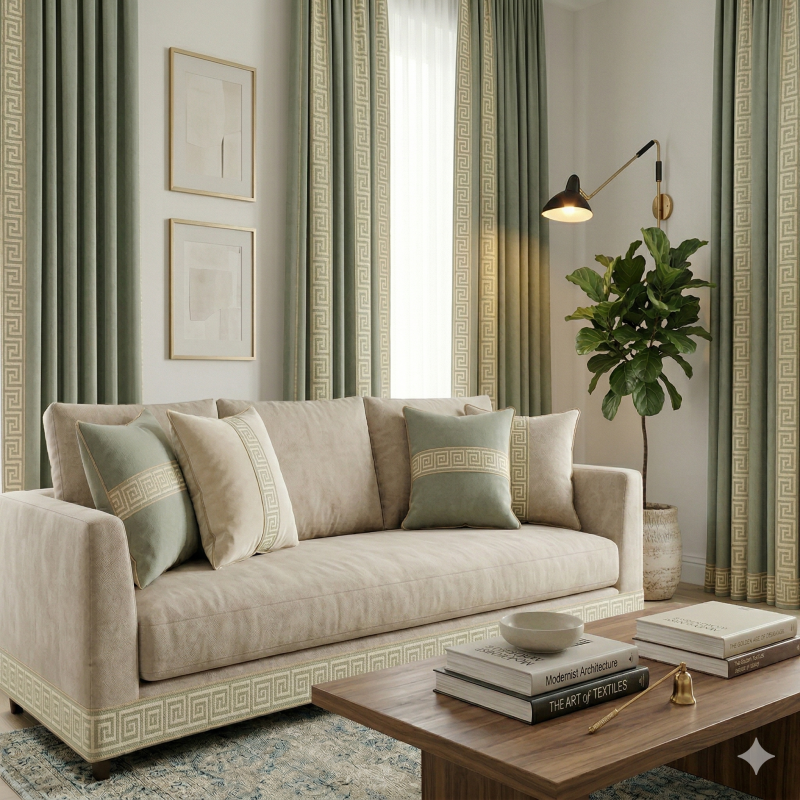
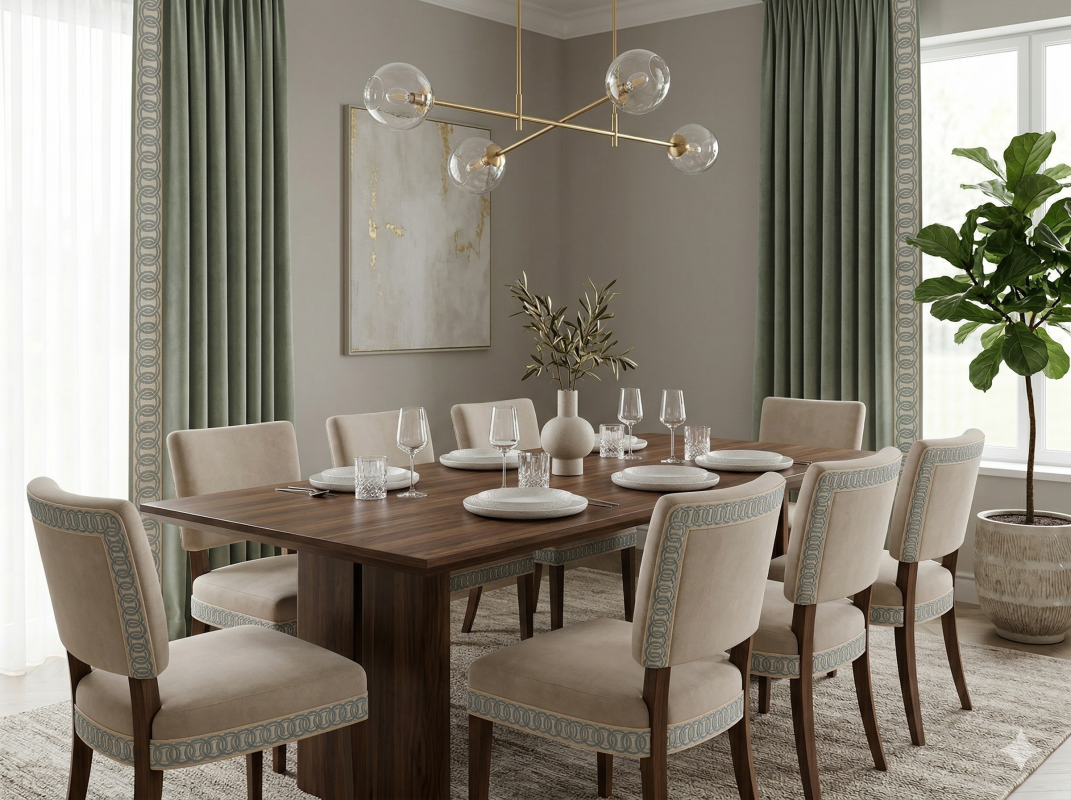
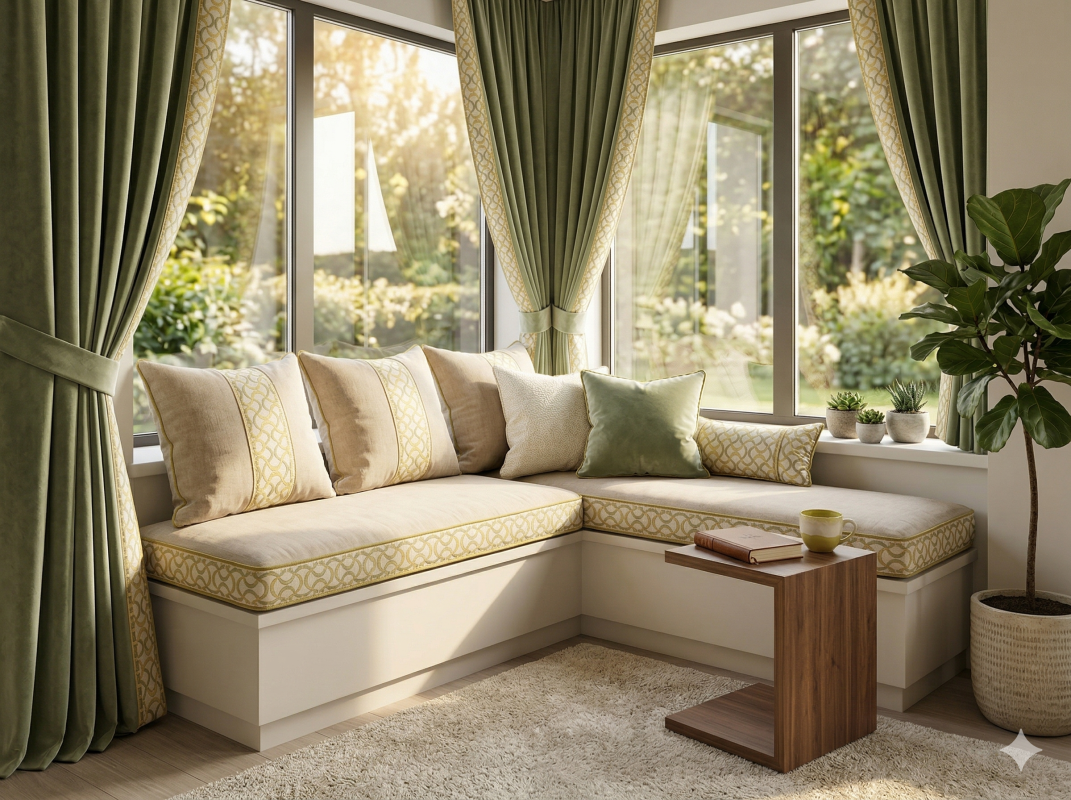
•Cushion edges and borders
•Curtain hems and tie-backs
•Upholstery detailing on sofas and chairs
•Throws and bed runners
•Decorative accessories
 
The goal is not to overuse them, but to place them strategically where they enhance the product.
 
The Balance Between Minimal and Detailed
 
One of the key trends in modern interiors is balance.
 
Designers are not going back to overly ornate or heavy decoration. Instead, they are using trims in a more refined way:
•Cleaner designs
•Controlled placement
•Subtle textures
 
This approach keeps the space modern while still adding character.
What This Means for Brands and Designers
 
For brands, home décor trimmings offer a clear opportunity.
 
They allow you to:
•Upgrade existing product lines without major changes
•Add variety to collections
•Improve perceived quality
•Respond quickly to changing design trends
 
For designers, trims provide flexibility. A single product can take on multiple identities depending on how it is finished.
 
Looking Ahead
 
As home décor continues to evolve, the focus on detail will only increase.
 
Consumers are becoming more design-aware, and they are paying attention to the finer elements that define a space.
 
Trimmings are no longer optional—they are becoming essential.
 
Because in modern home décor, it’s often the smallest details that make the biggest difference.
 
Explore Home Décor Trimmings
 
If you’re looking to incorporate trimmings into your next collection, exploring different textures, materials, and constructions can be a great starting point.

Leave a Reply